Texas Bill Would Create a State Department of Artificial Intelligence With a Public Registry of Agency AI Systems
Source: Government Technology · published November 13, 2026
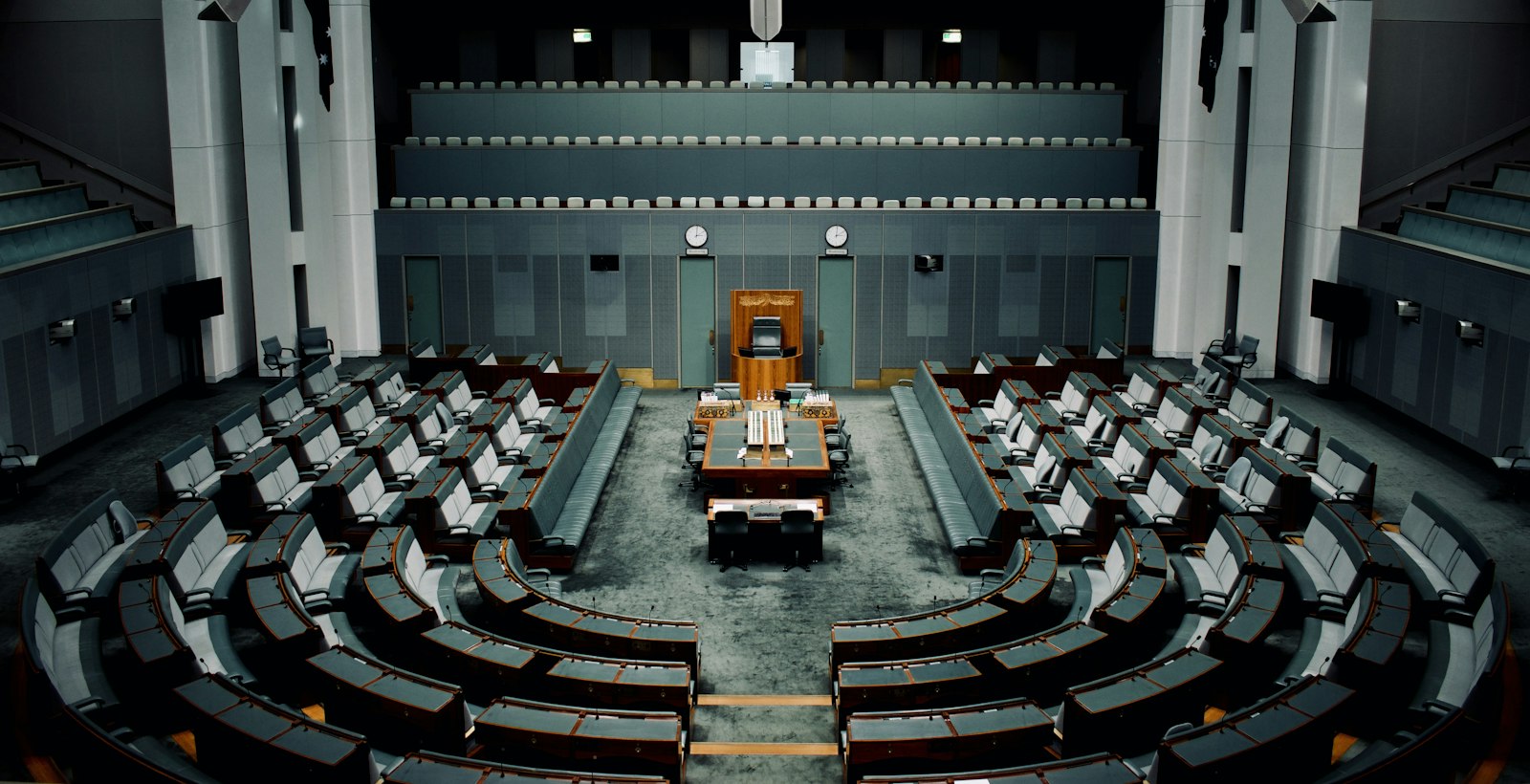
Texas lawmakers will consider creating a state Department of Artificial Intelligence when the Legislature returns, Government Technology reported on November 13. House Bill 605, filed by Rep. Salman Bhojani, is one of three bills filed ahead of the 90th legislative session that would add oversight requirements and restrictions on how state agencies use AI. The regular session is scheduled to begin January 12.
Under HB 605, the new department would be an independent state agency responsible for monitoring compliance with AI requirements, evaluating certain government AI systems and keeping a public registry of covered systems used by state agencies. It would operate separately from the Department of Information Resources (DIR) and be governed by a five-member board appointed by the governor with the advice and consent of the Senate. Agencies would have to keep inventories of covered AI systems and report their use, purpose, data categories and safeguards. The department would carry out risk-based reviews, prioritizing systems under heightened scrutiny and those with documented risks to individual rights, government services, security or public funds. The searchable registry would show each system’s purpose and whether human review is available for certain decisions, and agencies would publish impact summaries for heightened-scrutiny systems.
What it means in practice

The bill reaches into procurement. Before signing a contract for a heightened-scrutiny AI system, an agency would submit a summary of its intended use, and the department could issue written risk recommendations within 30 days, though a missing recommendation would not block an otherwise lawful purchase. Working with DIR and the comptroller, it would also write a model checklist covering performance testing, data restrictions, vendor accountability, incident reporting and subcontractors. The department would not regulate private AI companies or impose new duties on local governments. If enacted, the first statewide inventory would be due by December 1, 2028, and the registry by March 1, 2029. Bhojani also filed HB 474, requiring meaningful human oversight of consequential AI decisions by trained staff who can override or stop a system, while HB 416 from Rep. Mary González would bar agencies from using AI for employment decisions such as hiring, reviews and terminations. All three would take effect September 1, 2027, and none has been enacted.
Texas already has the Texas Responsible Artificial Intelligence Governance Act, in force since January 1, 2026, and an AI division inside DIR. Other states are moving on AI rules at different speeds; in Ohio, eight AI bills look likely to stall, while federal watchdogs are checking agency use, as in the EPA inspector general’s audit of AI compliance. Governors are also pressing Washington, as Gov. JB Pritzker did in asking for federal rules that preserve state laws. What to watch is whether HB 605 gets a committee hearing and how DIR responds to a separate oversight body.
Read the original report: Government Technology